Introduction
Australia, a land of diverse wild animals, is home to several interesting animals, including serpents that can motivate both admiration and fear. Amongst these serpents is the tiger snake, known for its striking appearance and reputation as a poisonous killer. Consequently, one concern frequently emerges: Are tiger snakes venomous? This short article will delve into the myths and truths surrounding tiger snakes, their environment, actions, clinical implications of their attacks, and much more.
Are Tiger Snakes Venomous?
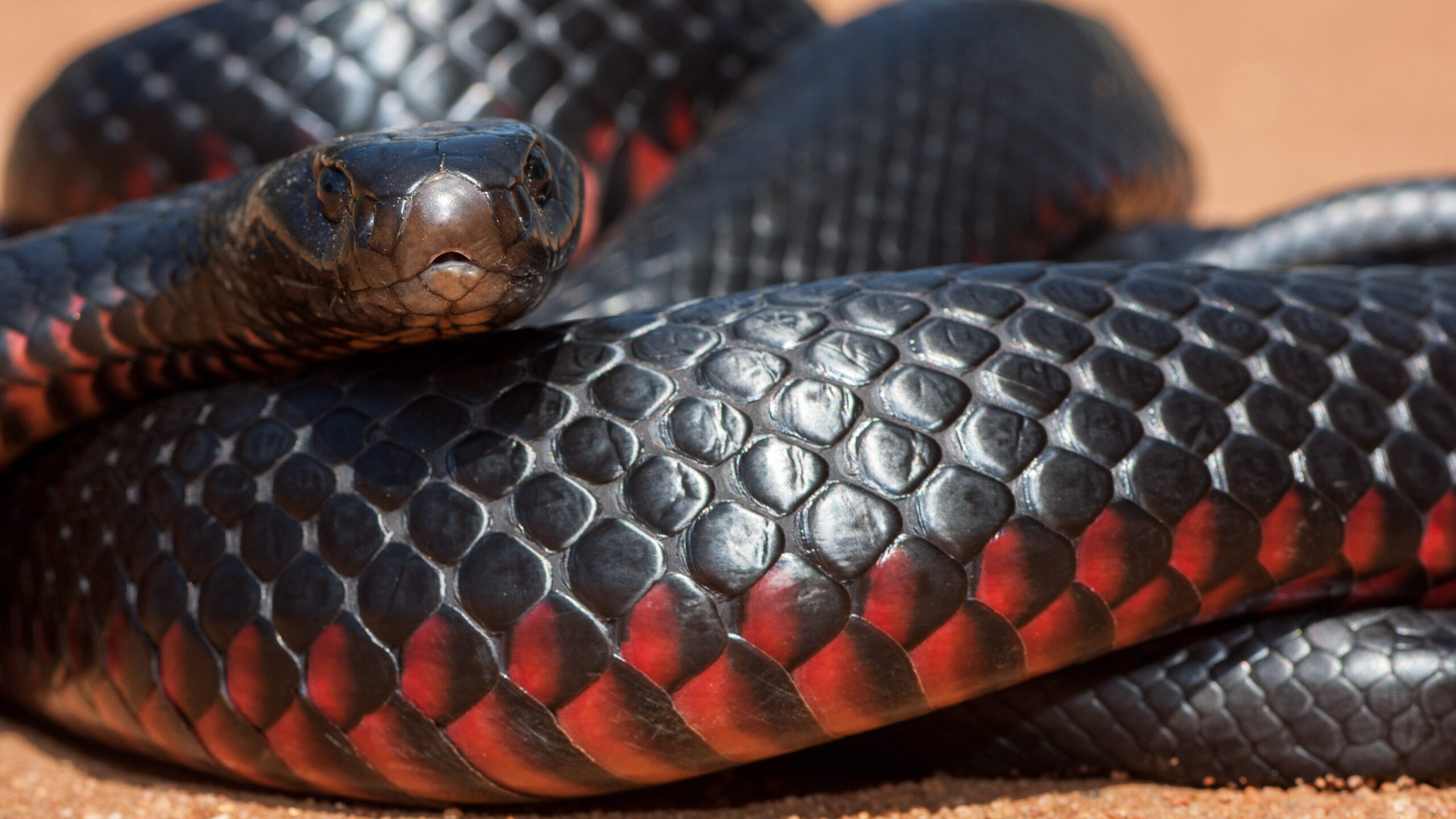
When it involves the question of whether tiger snakes are poisonous, the response is an unquestionable yes. Tiger serpents (Notechis scutatus) are certainly venomous and rank amongst one of the most dangerous snakes in Australia. Their poison contains potent neurotoxins that can lead to paralysis and even fatality otherwise dealt with without delay.
While fatalities from tiger serpent attacks have become less usual as a result of innovations in medical treatment and antivenom accessibility, this does not decrease the demand for caution when coming across these reptiles. The possible effects of a tiger snake bite include severe pain at the website of the bite, swelling, nausea or vomiting, trouble breathing, and neurological signs and symptoms such as weak point or paralysis.
Types of Tiger Snakes
In Australia, there are several acknowledged subspecies of tiger serpents:
- Eastern Tiger Serpent (Notechis scutatus): Located mostly in southeastern Australia. Tasmanian Tiger Snake (Notechis scutatus): A subspecies located just in Tasmania. Black Tiger Snake: Known for its darker coloration.
Each of these types has variants in size and behavior but shares comparable poison characteristics.

The Environment of Tiger Snakes
Where Do They Live?
Tiger snakes are versatile animals discovered across various environments throughout Australia. They normally inhabit seaside areas however can also be discovered in wetlands, swamps, riversides, and forests. Their preference for moisture-rich atmospheres makes them proficient swimmers; therefore they prosper near water bodies like lakes or marshes.
Geographical Distribution
- Southeastern Coast: Home to Eastern tiger snakes. Tasmania: Dominated by Tasmanian tiger snakes. Northern Regions: Where you could come across much less frequently seen variants.
Habitat Preferences
Tiger serpents prefer areas with bountiful cover where they can conceal from predators while hunting for prey. They usually quest small creatures, frogs, birds, and even fish-- making them versatile seekers within their ecological niche.
The Makeup of a Tiger Snake
Physical Characteristics
Tiger snakes have distinct physical attributes that distinguish them from other Australian reptiles:
- Coloration: Commonly grouped with yellow or light-colored red stripes on a dark background. Size: They can grow up to 2 meters long; however, average sizes range in between 1.2 to 1.5 meters.
The unique coloration offers both as camouflage against killers and while stalking prey in their natural habitat.
Behavioral Traits
Understanding the behavioral patterns of tiger serpents is vital for those living within their geographical range:
- Nocturnal Activity: They are largely energetic during the night yet might likewise hunt during the day. Defensive Behavior: When intimidated, tiger serpents might hiss loudly or flatten their bodies-- an indication suggesting they really feel cornered.
Tiger Serpent Bite Symptoms
If bitten by a tiger serpent, individuals ought to expect specific symptoms that materialize right after:
Severe local pain Swelling around the bite area Nausea or vomiting Difficulty breathing Neurological signs and symptoms such as muscular tissue weaknessIt's important never ever to undervalue these signs; immediate medical focus is crucial complying with any snake bite incident.
First Aid for Serpent Bites
Immediate Activities After a Bite
Knowing just how to respond promptly can conserve lives when dealing with prospective serpent bites:
Stay tranquility and still-- movement raises poison spread. Call emergency situation services immediately. Keep the influenced limb incapacitated listed below heart level. Avoid cutting or sucking out poison; this old wives' tale can aggravate conditions. Remove tight garments or jewelry near the bite site.First Aid Kit Fundamentals for Serpent Bites
A well-stocked first aid kit ought to include items especially helpful in treating serpent bites:
|Thing|Purpose|| --------------------------------|-----------------------------------------------|| Clean and sterile plasters|To cover wounds|| Antiseptic wipes|To cleanse around bite area|| Emergency situation call numbers|For quick access throughout emergency situations|| Compression bandage|To assist incapacitate influenced limb|
Proper prep work can make all the distinction when an emergency strikes.
Fact vs Myth Concerning Tiger Snakes
Myth 1: All Snakes Are Aggressive
Contrary to common belief, not all serpent varieties show aggressiveness in the direction of human beings. In fact, many prefer to pull back than confront us.
Myth 2: A Bite Always Brings About Death
While deadly bites do happen-- thanks largely to postponed treatment-- the majority of attacks are non-fatal if dealt with without delay with antivenom.
Myth 3: You Can Draw Out Venom
This widely held idea is false; attempting to draw out venom just raises problems instead of easing tiger snake habitat them!
FAQs
1. Are baby tiger snakes much more harmful than adults?
Baby tiger snakes may have less venom than adults yet typically supply attacks without hesitation as a result of being even more frightened.
2. The length of time does it consider signs to appear after a bite?
Symptoms normally appear within minutes yet can in some cases take hours relying on variables like individual wellness conditions.
3. What must I do if I see a tiger snake?
Maintain distance! Prevent prompting it; most experiences finish without case if you value their space.
4. Is there an antivenom readily available for tiger serpent bites?
Yes! Antivenom exists especially formulated for treating diseases brought on by tiger serpent bites-- it's vital to look for professional medical help immediately!
5. Can I keep a tiger serpent as a pet?
Keeping any kind of wild snake species postures substantial risks due mostly to their breeding routines & & nutritional needs-- it's best left in nature!
6. Just how prevalent are serpent bites in Australia?
Australia sees hundreds of snakebite instances annual; however deaths have lowered dramatically many thanks greatly due enhanced understanding & & health care access!
Conclusion
In final thought, understanding whether "Are Tiger Snakes Venomous?" lugs considerable Click here ramifications for personal security when interacting with these remarkable reptiles native to Australia's diverse communities can not be overstated!
Arming ourselves with understanding concerning these animals-- from their environments and behaviors down keelback snake australia with effective first aid methods-- encourages us toward safer coexistence together with wild animals while mitigating risks associated with unexpected encounters!
By fostering education and learning concerning our atmosphere's intricacies-- not simply concentrating only on worry-- we lead pathways in the direction of better appreciation & & conservation initiatives benefiting both humanity & & nature alike!